Rubio faces fierce Senate fire over Iran War, Taiwan Arms deal and Cuba policy
Rubio’s testimony, which coincided with a fresh round of Israel-Lebanon political talks at the State Department, offered few definitive answers on several key issues.
Missile interceptions across the Gulf, fresh US strikes near Hormuz, and political rifts in Washington signal a widening conflict with global trade and security implications.





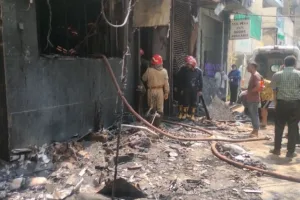
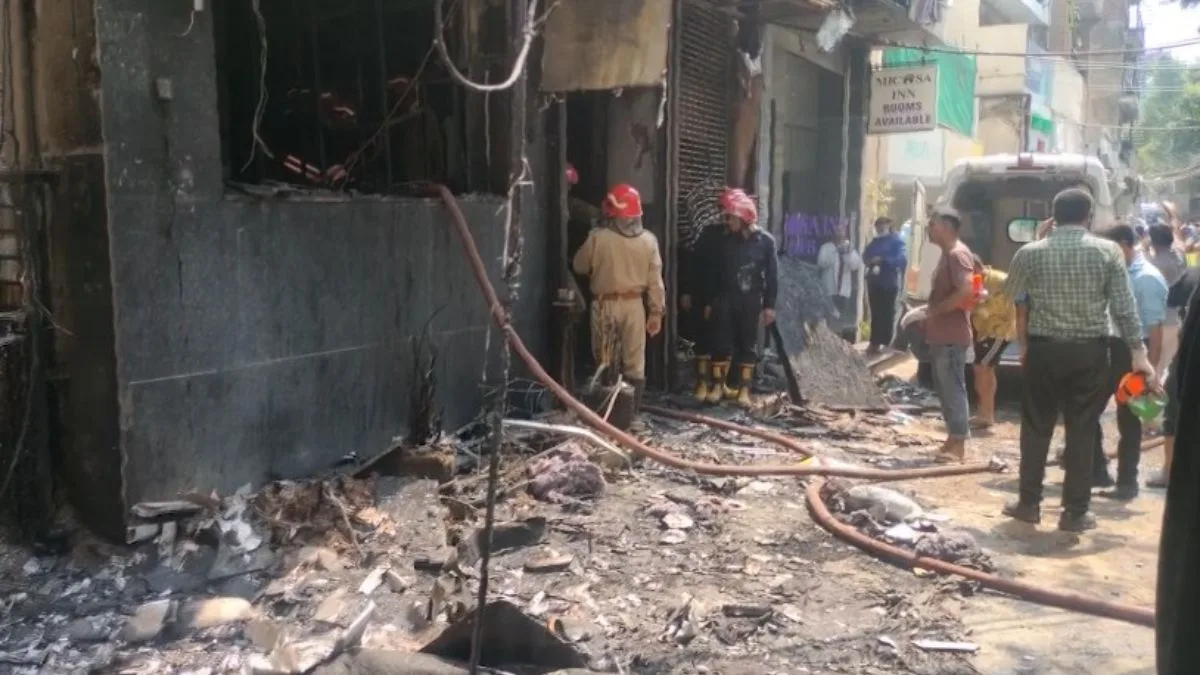
A massive column of smoke rises over a city skyline following reported airstrikes, as tensions intensify around the Strait of Hormuz. (Photo: Xinhua via IANS)
The conflict that began on February 28, 2026, has now spread far beyond Iran and Israel, drawing in Gulf nations, global powers, and key shipping routes. Nearly two weeks in, strikes, counter-strikes, and political fallout are intensifying, with no clear path to de-escalation.
From missile interceptions across the Gulf to fresh US strikes near the Strait of Hormuz, the situation on March 18 remains fluid and volatile. Leaders across the world are reacting in sharply different tones, some doubling down on military action, others urging restraint and diplomacy.
Advertisement
Advertisement
Advertisement